Choosing the gender of your new puppy plays a massive role in shaping your future interactions. Many owners assume that breed alone determines a dog’s personality and behavior patterns. However, biological differences heavily influence how a pet learns, interacts with other animals, and bonds with human family members. Selecting the right gender requires careful consideration of your household dynamics. Making an informed decision ensures a smoother transition for everyone involved.
Behavioral Traits and Bonding Styles
Male dogs generally display more affectionate and outwardly goofy personalities. They tend to seek constant attention from their owners and remain incredibly eager to please throughout their lives. This strong desire for interaction makes them excellent companions for highly engaged families.
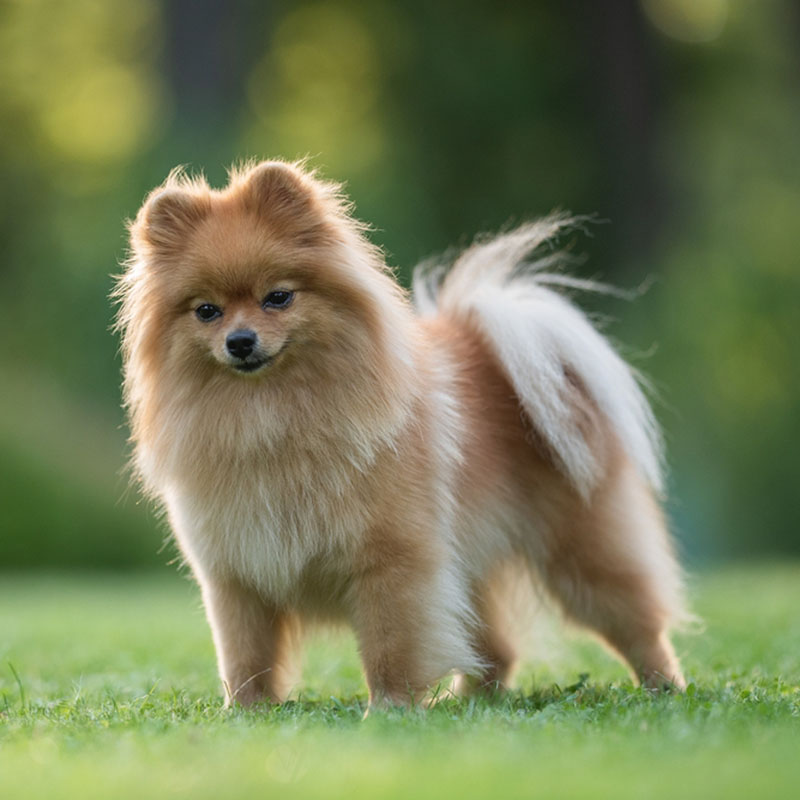
Females often exhibit a more independent and focused demeanor. When looking for a loyal friend like a zwergspitz pomerania, many owners notice that females observe their surroundings carefully before engaging in play. They bond deeply with their owners but do not always demand continuous physical contact.
Training approaches must adapt to these subtle behavioral variations. Males might lose focus faster due to their playful nature, requiring extra patience during obedience sessions. Females mature quicker mentally, which often makes early training phases progress significantly faster.
Physical Differences and Medical Needs
Size differences become highly apparent as the puppies grow into mature adults. Males usually develop larger frames and carry more muscle mass than their female counterparts. This physical disparity matters greatly for owners living in smaller spaces or those with physical limitations.
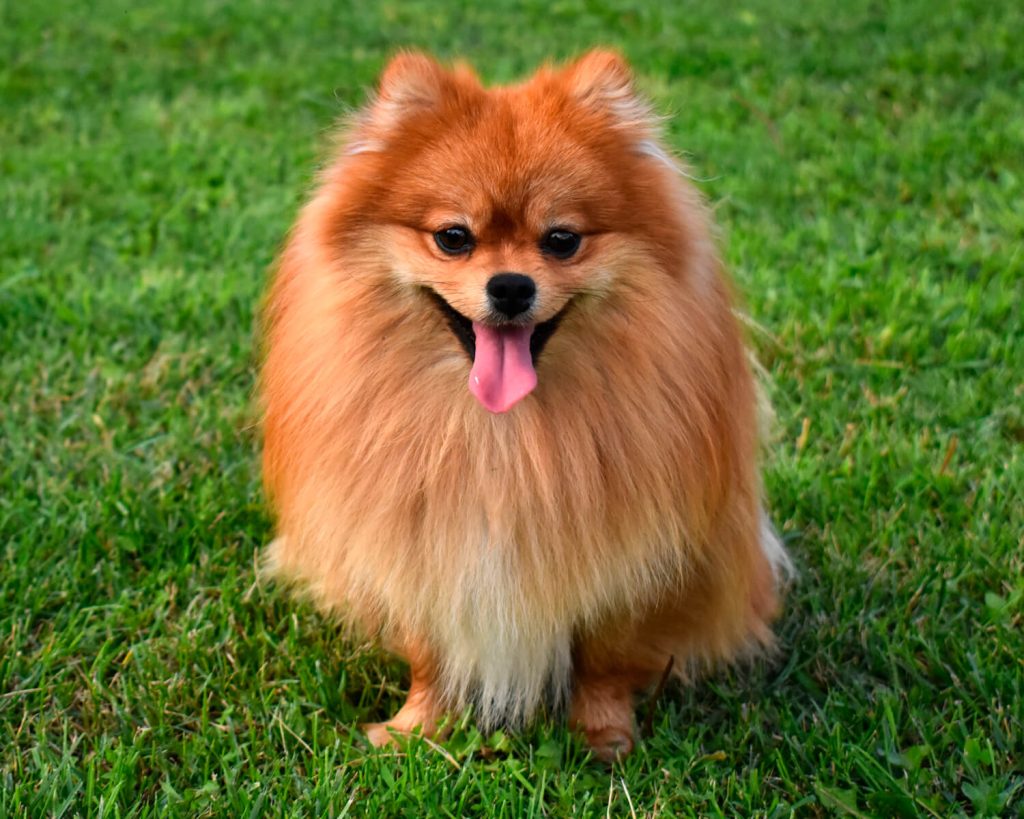
Medical requirements also diverge based on the chosen gender. If you decide to bring home a spitz pomeranian, you must plan for different veterinary expenses depending on the sex. Spaying a female involves a more complex surgical procedure and recovery time compared to neutering a male.
Intact females experience heat cycles that require careful management to avoid unwanted pregnancies. Unneutered males might display territorial marking behaviors or try to escape when they sense a female in heat nearby. Timely surgical interventions resolve most of these hormone-driven challenges efficiently.
Both male and female dogs possess unique qualities that make them wonderful companions. Recognizing these distinct behavioral and physical differences helps you align your expectations correctly. The ideal choice ultimately depends on your personal preferences and daily lifestyle routines.